Metal Bending Differences: Carbon Steel vs Stainless Steel vs Aluminum
DESCRIPTION:
Practical sheet metal bending guide for carbon steel, stainless steel and aluminum sheets.
Learn the differences in hardness, toughness, springback and bending defects of 3 common metal materials.
Useful tips to avoid cracking, springback and scratching in metal bending processing.
VIDEO SCRIPT:
Bending may look the same,
but carbon steel resists cracking,
stainless steel is hard to bend,
and aluminum bends can fail easily!
In just 3 minutes,
understand the key differences between these three sheet materials
and avoid costly mistakes in sheet metal fabrication.
Carbon steel: the most cost-effective and easiest to bend.
It has good toughness, minimal springback, and is not sensitive to tooling or bending angles,
making one-time forming easy with less deformation.
The only downside: it rusts easily, so anti-rust treatment is needed after bending.
Stainless steel: the king of bending difficulty.
It has high hardness, significant springback, and poor ductility.
Processing requires larger R angles and springback allowance,
with higher demands on tooling and pressure.
It is prone to scratching and cracking, making it the most expensive to process.
Aluminum sheet: soft material but easy to fail during bending.
It is brittle and prone to edge chipping and cracking, especially 6061 and 6063 aluminum.
Bending requires larger R angles, low-speed processing, and avoiding bottoming bends.
Grain-direction bending is essential, with very little margin for error.
Quick summary:
Carbon steel bends easily but rusts; stainless steel is hard to bend with high springback;
aluminum cracks easily with low fault tolerance!
Understand material properties to avoid rework and scrap.
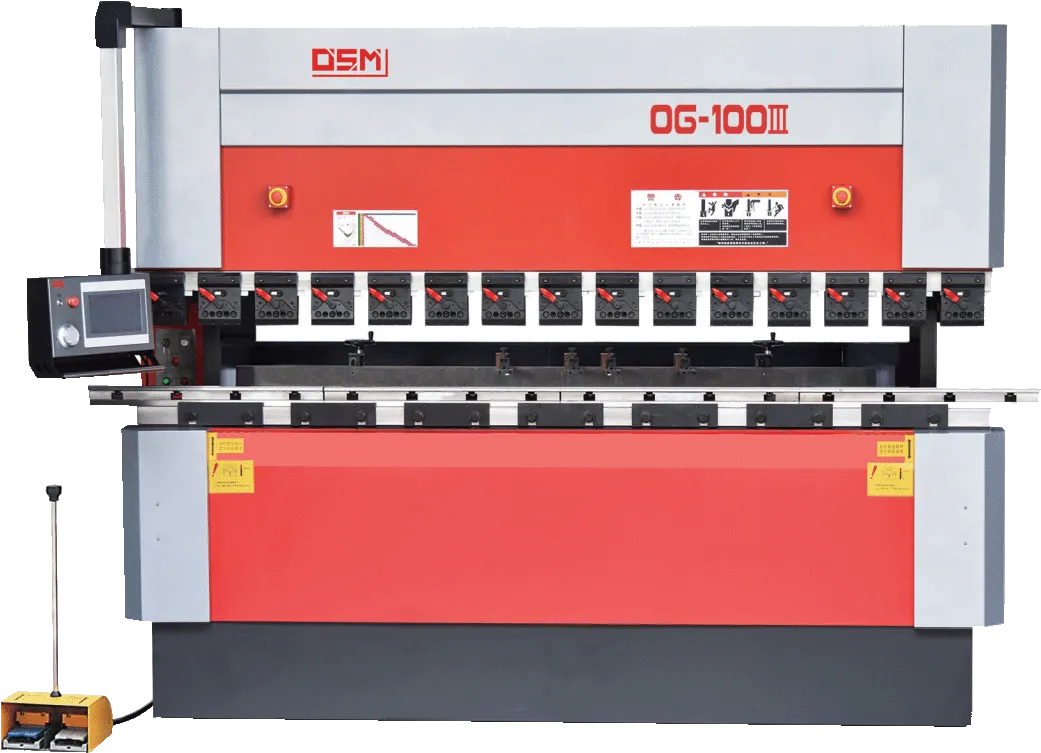
Choose the right press brake and make production worry-free!