OSM CNC
Simplify Sheet Metal Forming
OSM official WhatsApp QR code image for contact information, showing the scan code to quickly add the company WhatsApp
WhatsApp
+8613690740590

OSM CNC Press Brake

High Precision Bending – Accurate angles, consistent results
Strong & Durable Structure – Built to last for years
User-Friendly CNC System – Easy to operate, save labor
Energy Efficient – Lower power consumption, cost-saving
Fast Bending Speed – Improve your productivity
Customizable Solutions – Meet your specific needs

OSM HP-11030 hydraulic CNC press brake Banner, featuring high-precision bending and stable hydraulic system, suitable for efficient processing of various metal sheets.

OG Series Press Brake

High Efficiency and Automation
High Precision and Versatility
Energy Efficiency, Environmental Protection, and Easy Maintenance

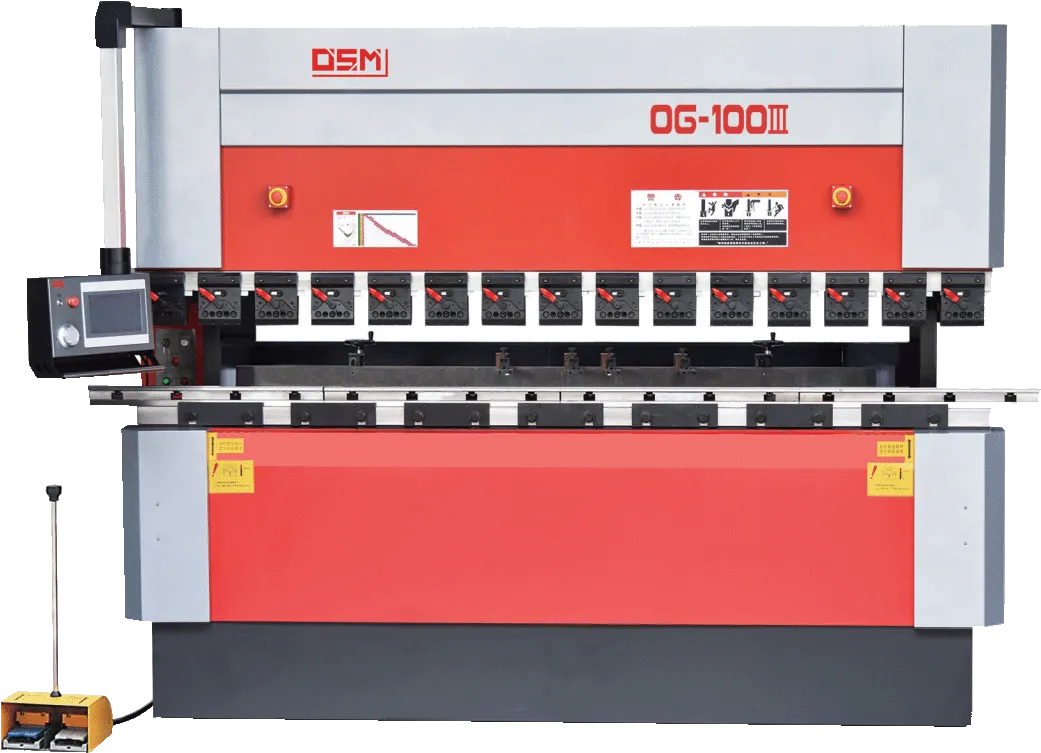
OSM OG-100III down-acting hydraulic CNC press brake, designed for high-precision bending of extra-long sheet metal parts with stable performance and high efficiency.

Fiber Laser Cutting Machine

Precise and fast: ±0.05 mm accuracy with a cutting speed up to 10 mm/min.
Energy saving and eco-friendly: high-energy-efficiency laser with no pollution.
Smart control: advanced CNC for automated operation with consistent accuracy.
Flexible use: cuts complex graphics and irregular materials.

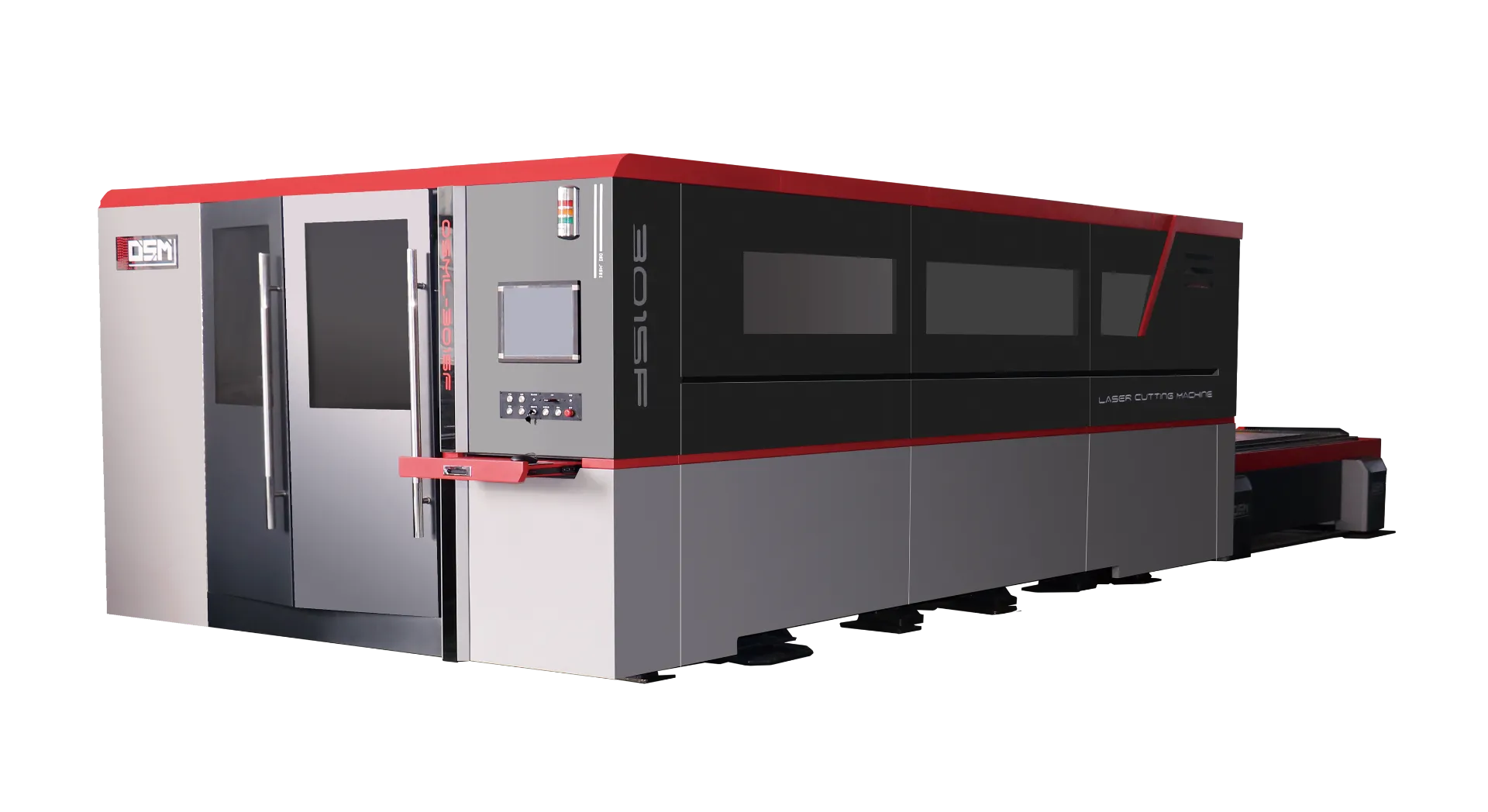
Banner image of OSM-FL3015 fiber laser cutting machine by OSM, highlighting high-efficiency and precision metal cutting performance for diverse industrial applications.

Bending Center

Rapid mold change with a tool library and memory system
Automatic loading/unloading and 24/7 operation
Multi-task processing: 1 machine replaces 3-5
Laser positioning + servo motor compensation, bending error ≤0.1°
Simulation preview: import drawings to simulate the bending process

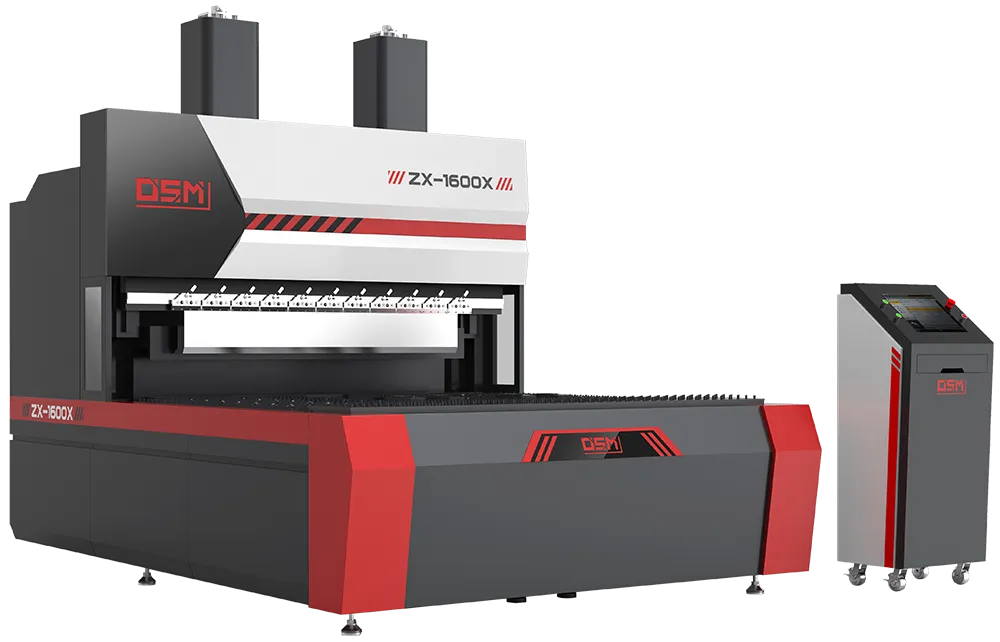
Banner image of OSMA flexible bending center ZX-1600X, highlighting intelligent automated bending system for enhanced mass sheet metal production efficiency.

V Grooving Machine

Ultimate efficiency, reshaping processing speed
Micron-level precision, achieving perfect details
One-click intelligence, operation has never been so simple
Save materials and money, every cut counts
All-rounder, one machine handles complex processes

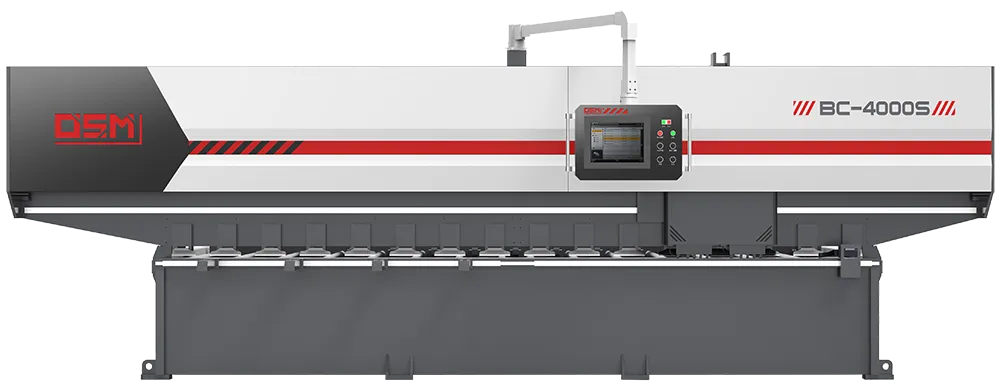
Banner image of OSM V-grooving machine, showcasing high-precision V-cutting capabilities for chamfering and pre-bending treatment of metal sheets.

Bending Precision Control Tips: Angle, Straightness, Parallelism

#Carmen Jun 04 2026 15:42:52
0
DESCRIPTION:
Practical guide for sheet metal bending precision! Solve common errors of bending angle, straightness and parallelism. Improve processing accuracy, reduce defective rate, essential skills for sheet metal workers.

VIDEO SCRIPT:
Struggling with defective bending parts?
Dimensional deviations, workpiece deformation and assembly fitting issues are common in production.
Almost all bending precision errors stem from three key indicators:
algle, straightness, and parallelism.
Today I’ll share practical and effective control methods for on-site processing.
First of all, bending angle precision.
Angle deviation is the most frequent bending defect, mainly caused by insufficient bending pressure, worn dies and uneven material thickness.
Follow two core rules in actual operation.
Calibrate the bending pressure according to the material and thickness, and replace worn dies in a timely manner.
Conduct trial bending and measurement before mass production to compensate for angle springback,
completely avoiding oversized, undersized and inconsistent bending angles.
Next is straightness, which means the flatness of the bending edge.
If your bent workpieces have bulging middles, curved ends or skewed edges, it is mostly caused by uneven machine table and unbalanced pressing force.
The key solution is to calibrate the worktable and bending datum to ensure uniform stress during the whole bending process.
For long plates, adopt segmented and constant-speed bending to prevent local deformation.
Last but not least, parallelism.
It decides the end symmetry and assembly tightness of workpieces.
Excessive parallelism error is mainly caused by offset backgauge positioning and inconsistent bending stroke on both ends.
In daily production, regularly calibrate the backgauge parallelism, unify the bending stroke parameters on both sides,
and fix the datum position throughout mass production to ensure all bending edges are parallel and consistent.
Pick the right press brake and make production worry-free!